We are quite excited here at Green Jersey. Summer is coming and we have some great cycle tours booked.
We are a small cycle tour outfit, and the main reason we are in this business is that we really enjoy getting out on the tours ourselves. Guiding is not so much a chore as an opportunity to get back out on our magnificent coast. In our Chief Guide Johnny’s case, it is also an opportunity to do some fishing.
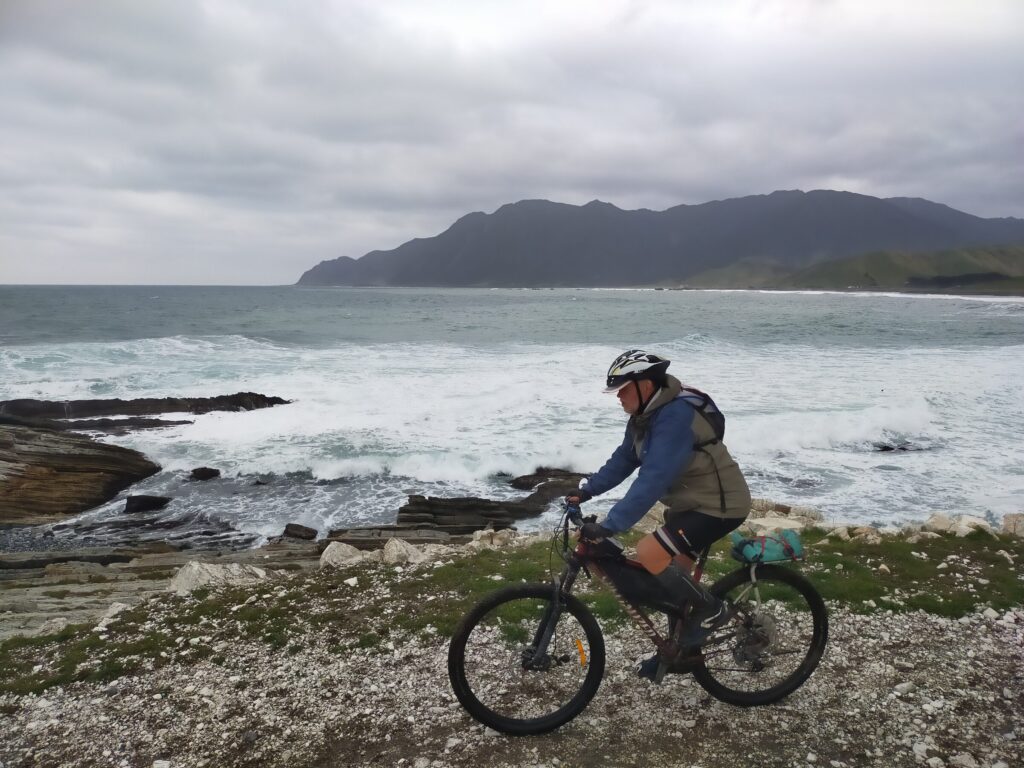
One of our first big tours this summer starts at the end of October in Martinborough Wine Village. It is a route we know well and still love riding. More than 100 kilometres of it runs right along the coast, at times only metres from the waves.
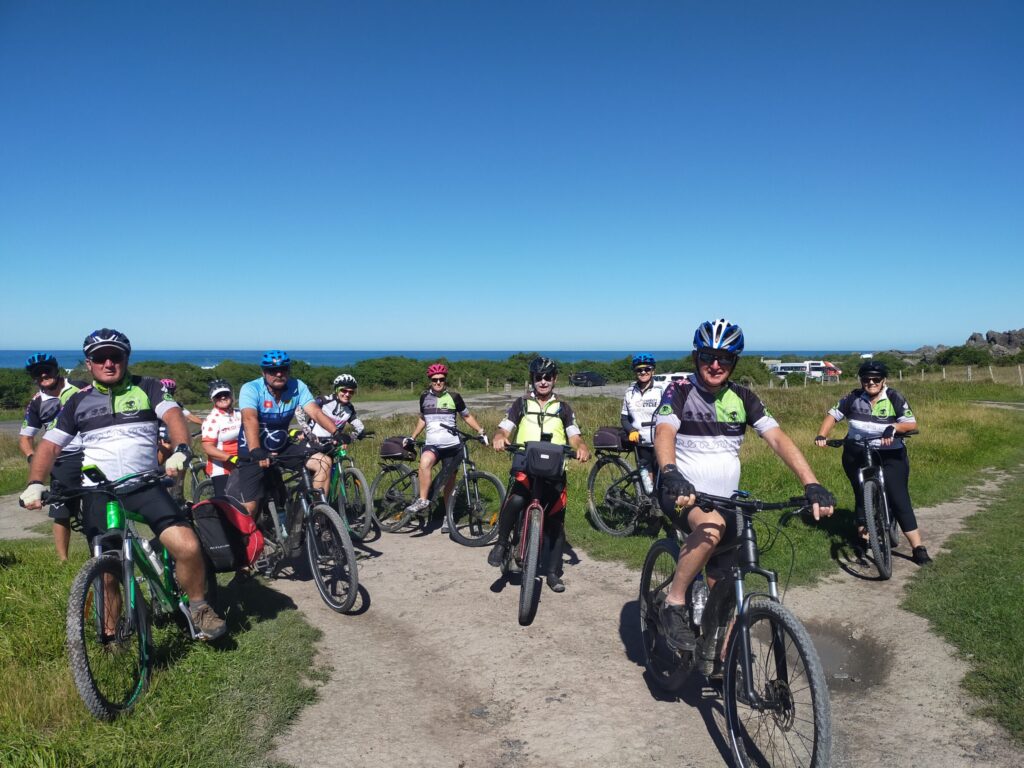
Out to Glendhu
We leave the vineyards around Martinborough behind and ride out to Glendhu Station on the wild eastern Wairarapa coast. We stay in the old Station Cookhouse, where we will cook up a storm as a team.
This is always a good way for a group to start a trip. Everyone gets involved, although some people are generally more useful in the kitchen than others.
From Glendhu, the old coastal route passes the notorious Devil’s Mile. It was named by early drovers who feared losing their livestock to the waves there. When the sea was up, there was not much room between the water and the cliffs.
We bypass the Devil’s Mile and head up the Waterfall Highway instead. It is not really a highway, of course. It is an inland farm track on grand old Pāhoa Station.
The track climbs about 300 metres up the sea face. It is a good climb, and everyone knows they have done it by the time we reach the top. The reward is a couple of kilometres riding south along the ridge through regenerating native bush, with the coast spread out below.
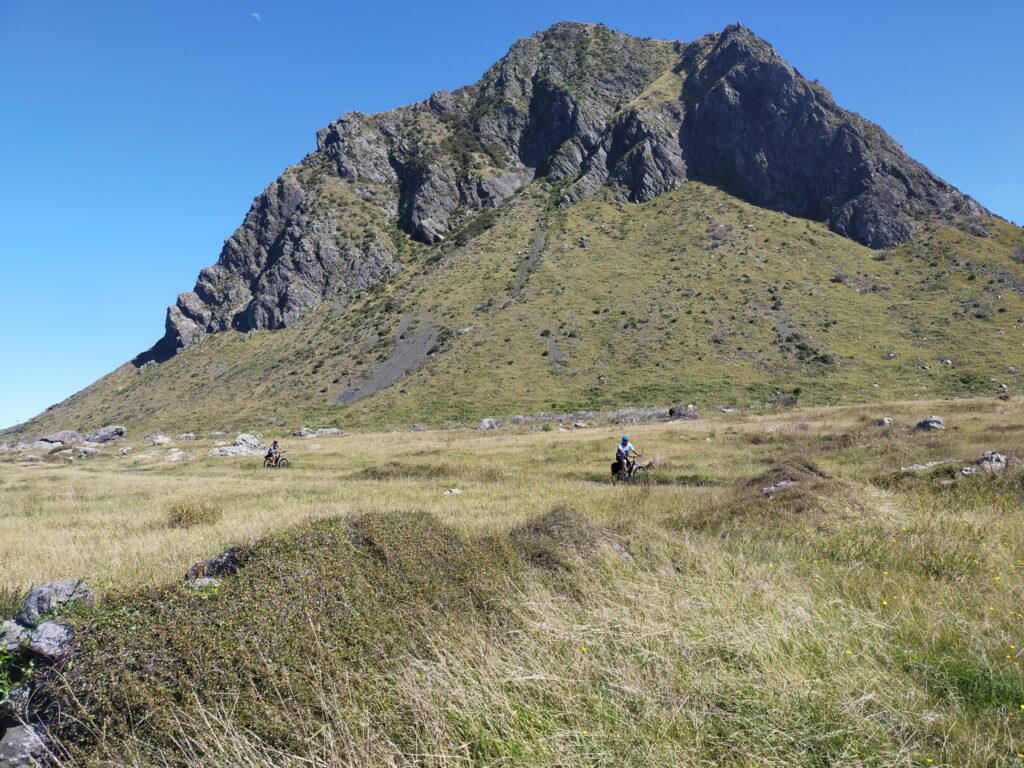
Te Awaiti
Then it is down, down, down into the Rerewhakaaitu River and onto Te Awaiti Station.
Te Awaiti has been owned by the Riddiford family since the early days of European settlement. From there, we have about 14 kilometres of wonderful riding south along the coastal platform to the Old Homestead at the station base.
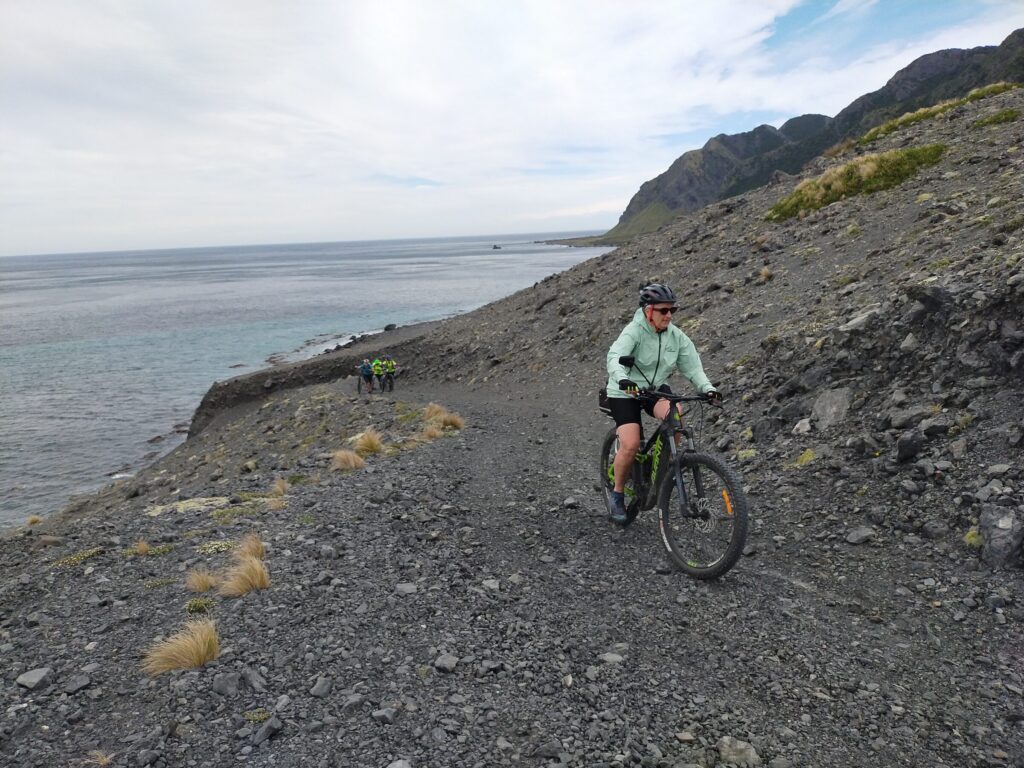
There is a lot hidden along this section of coast. We pass the remains of ancient Māori gardens and see the effects of the massive earthquakes that have occurred along the Hikurangi plate boundary. Old shorelines have been pushed upwards and parts of the coast have been twisted into all sorts of shapes.
Joe is very fond of this sort of thing and will happily explain it to anyone who stops long enough.
By the time we reach the Old Homestead, Johnny may already have been out fishing. If the sea conditions permit, there is a good chance he will have some fresh kai moana available. There should also be a cold beer in the fridge.
Te Awaiti is such a nice spot that it can be hard to detach ourselves and get back on the bikes the following morning. Unfortunately, we have about 42 kilometres of good hard riding ahead of us, so we will have to get moving.
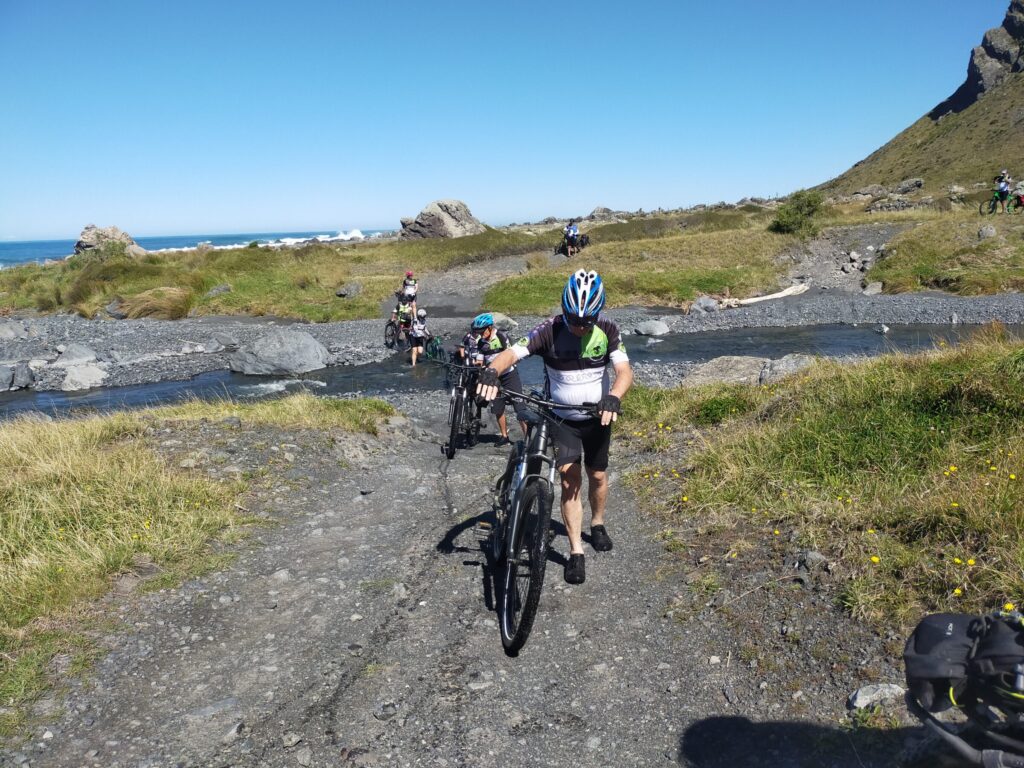
Manurewa Point
One of the stops Joe particularly enjoys is Manurewa Point, where we look for the mysterious KT layer in the rocks. It is now more commonly known as the K-Pg boundary, but KT is the name many people still recognise.
This thin layer is connected to the asteroid impact that wiped out the dinosaurs about 66 million years ago. Evidence of the event can be found here on the Wairarapa coast, which seems almost unbelievable when you stand there looking at it.
It is one of the few places in Aotearoa where it can be seen. Joe loves showing people this feature. He has been known to spend quite a while looking for exactly the right bit of rock.
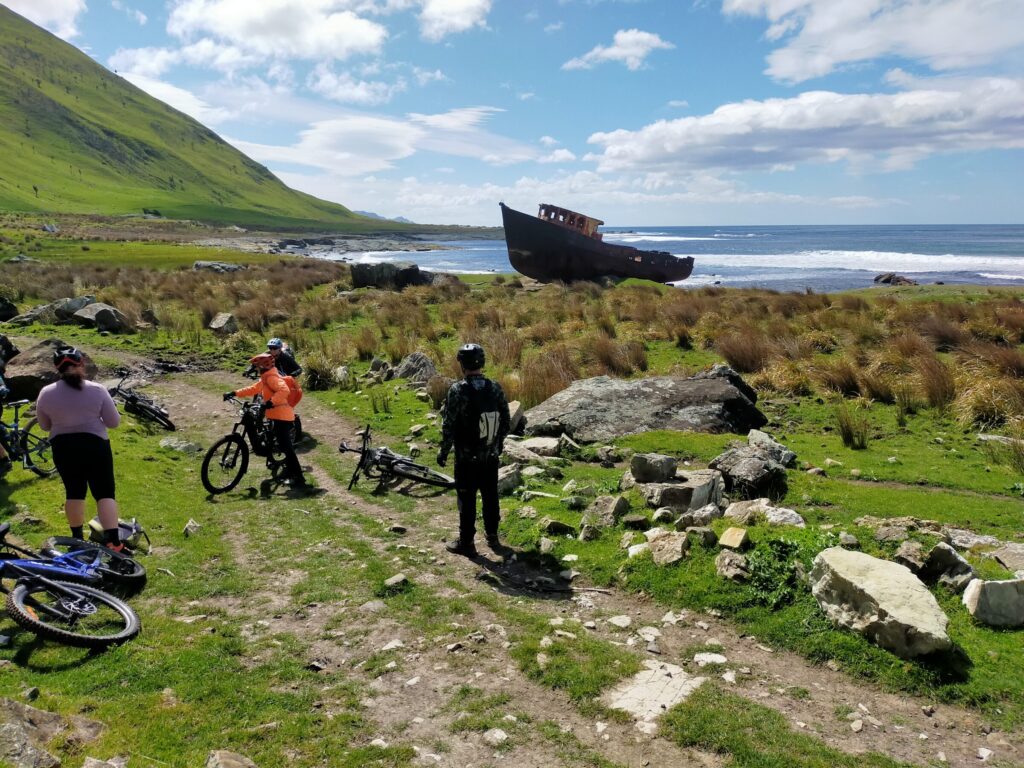
We also stop to look at the remains of some of the many shipwrecks along this rugged coast. It is sobering to think about what it must have been like to be shipwrecked here in those times. There were no roads out and very few people around. The coast is beautiful, but it has never been particularly forgiving.
Across the stations
Much of the riding is over private farmland. Many of the old coastal stations have what are known as blue water titles, with property rights extending to the high-tide mark.
We have agreements with the landowners that allow our tours to pass through. We regard that access as a real privilege. These are working farms, so gates need to be left as we find them and stock always have priority.
The route crosses White Rock Station, once an enormous property and farmed by the Barton family since the mid-1840s. We then continue through the smaller Ngapotiki Station, which is home to some of Aotearoa’s best surf breaks.
Around the cape
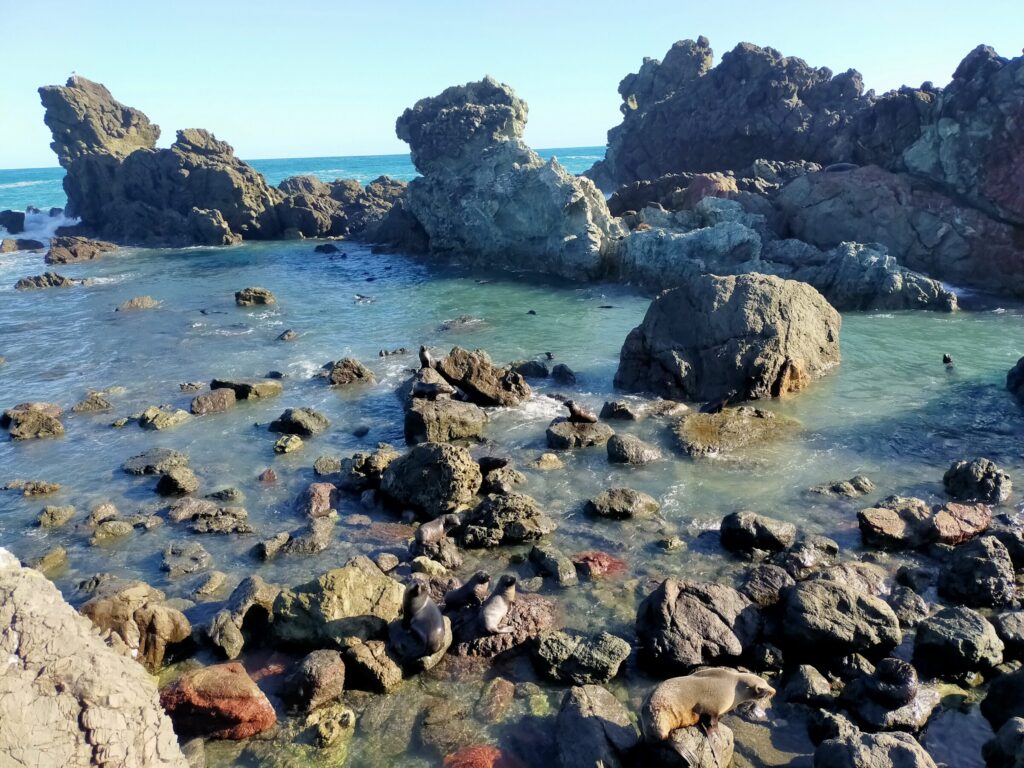
Soon we round the southernmost tip of Te Ika-a-Māui, the North Island, and stop to see the fur seal breeding colony at Mātakitaki-a-Kupe Reserve.
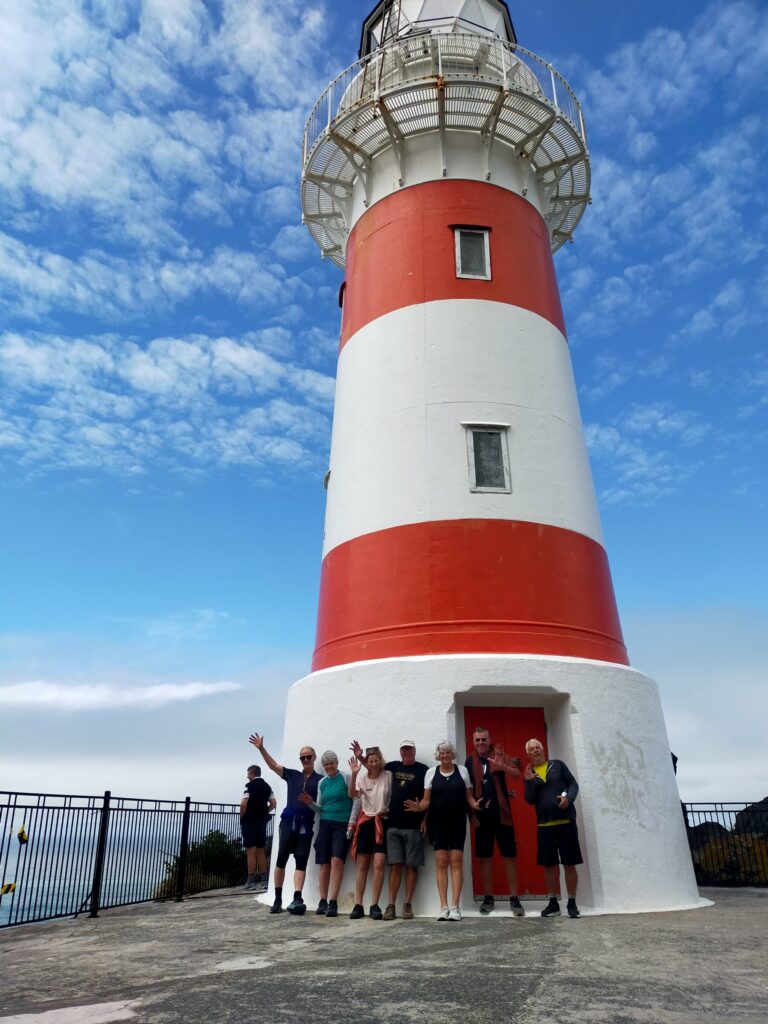
From there, it is a short hop to Waimeha and a visit with our coastal legend JP, or John Priest.
John’s family have farmed on the coast for generations, and he was also a commercial fisherman. He knows this part of the country better than just about anyone. One of the things people tell us they remember most about our tours is meeting local characters along the way.
JP is certainly one of them.
Palliser Bay
From Waimeha, we continue around the Kawakawa and Palliser Bay coast. The Putangirua Pinnacles are nearby, and we will head in for a look if time permits. Peter Jackson made them famous through his films, although the Pinnacles were doing perfectly well for themselves long before he arrived.
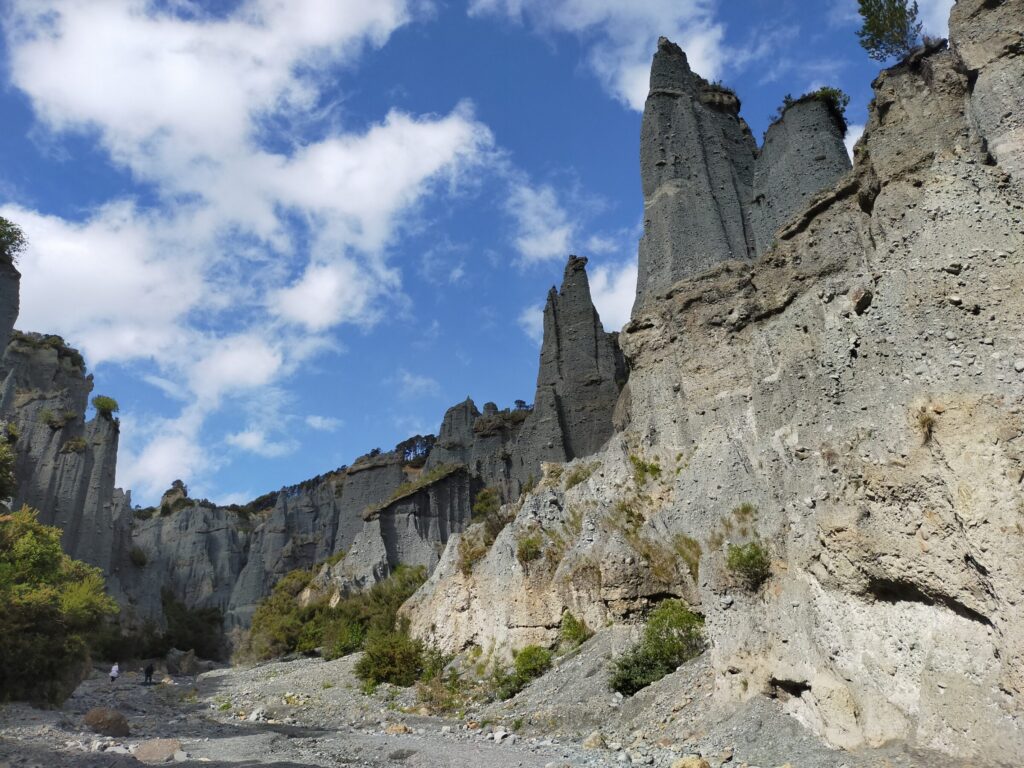
We never know what we might see along this coast. Over the years, we have seen whales and dolphins. Orca sometimes pass through, and elephant seals have been known to turn up as well.
There were plenty of kororā, or little penguins, here not so long ago. The Green Jersey team have been working with others to knock down predator numbers along the coast and give the birdlife a better chance of survival. It is a big job, but it needs doing.
Lunch might be at the quintessential Lake Ferry Hotel or the Land Girl Café in Pirinoa. Both are very welcome after a morning on the bikes.
Then it is on towards Ocean Beach, sitting beneath the looming, fortress-like Remutaka Range.
The Wild South Coast from Ocean Beach to Orongorongo is hard to put into words. There are some tricky bits, and the weather can make quite a difference, but it is a special ride.
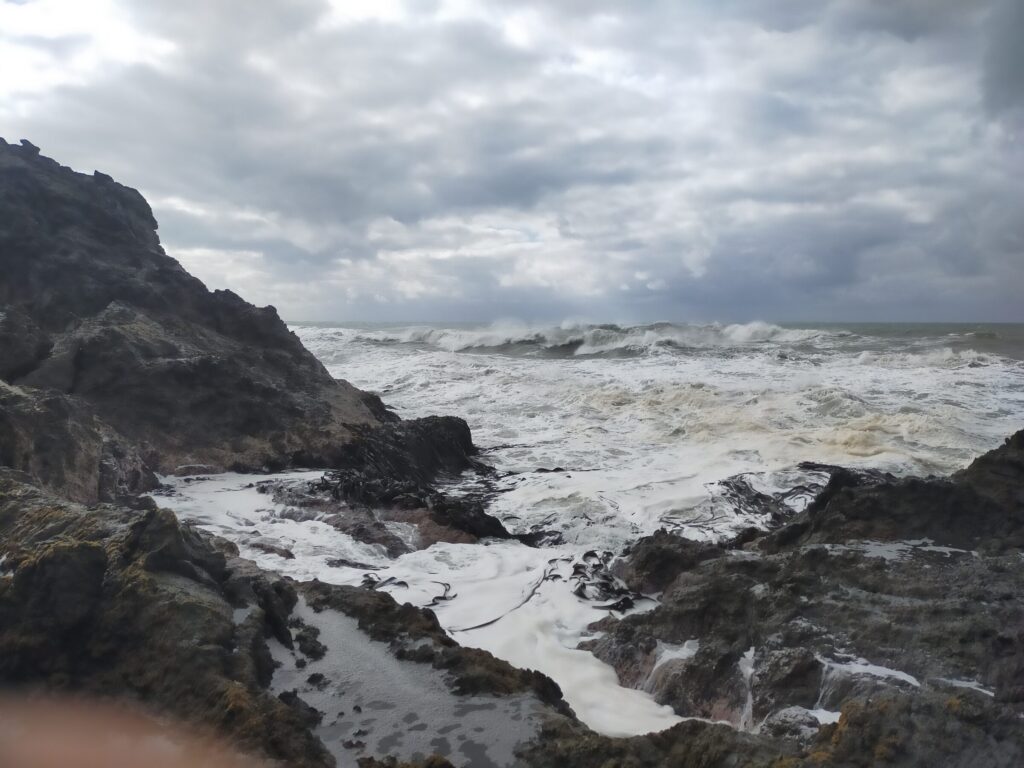
You can see the gigantic tectonic forces that formed the Remutaka mountains at work here. At Turakirae Head, old shorelines sit above the present coast, lifted by major earthquakes. It is a scientific reserve for a very good reason.
Back to Martinborough
After all that time beside the sea, we meet up with another old friend, the Remutaka Incline Cycle Trail. The old railway track takes us back through the mountains before we return to good old Marty, our affectionate name for our home village of Martinborough.
We have a small surprise planned for the group on their last morning, assuming they are still up for it.
Haurangi Road, just outside Marty, is a little like a miniature version of the Skippers Canyon road in Central Otago. We will shuttle everyone uphill, then take a couple of easy hours to ride back into the village.
After that, it will be bags packed, bikes loaded and fond farewells.
Before too long, Johnny will be checking the fishing conditions again. Joe will be talking about the dinosaur layer, and the rest of us will be looking for another excuse to get back out on the coast.
That is why we are looking forward to summer.
Ka kite anō!
Comments